
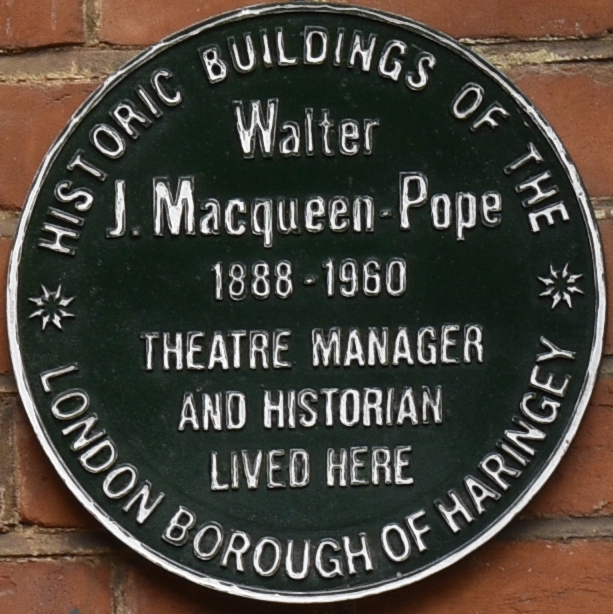
33 Etheldene Avenue, N10
After the First World War, Alexandra Palace was in poor condition. It had been used as a refugee camp for Belgians, an internment camp for German and Austrian nationals, and a military hospital for wounded soldiers.
Walter James MacQueen-Pope, a theatrical manager, historian, and publicist, was the man who brought Alexandra Palace back to life. In 1922, MacQueen-Pope, known as ‘Popie’, was chosen from thousands of candidates to become Palace Manager. A former Fortismere student from 33 Etheldene Avenue in Muswell Hill, he was tasked with restoring the theatre and reviving it as a performance venue.
MacQueen-Pope was well-suited for the job because he had already succeeded as a stage manager and publicist at major West End theatres. He led the transformation of the theatre’s interior, repairing decorative plasterwork, updating the seating and stage, improving the acoustics, and even adding a new bar under the balcony.
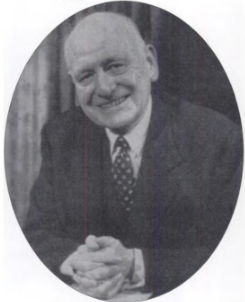
With his connections in the entertainment world, he brought a wide range of events, shows, and concerts to the theatre and park. He organised variety performances, which were very popular at the time and included comedy, music, and dance. He also brought back the pantomime tradition, especially for families during the holidays. His first pantomime, a Christmas production of Cinderella, even featured live animals like deer, ponies, hounds, and horses. The theatre hosted stars such as Gracie Fields, soprano May Blyth, the Crazy Gang, mentalist William John Morris Bottle (known as Datas), Ben Greet’s Shakespeare players, and even a scout rally with 73,000 Scouts. ‘Popie’ truly offered something for everyone.
He also made sure to involve the local community by featuring groups such as the new Alexandra Palace Amateur Dramatic Society and the Alexandra Palace Choral Society. This helped create a loyal audience.
After leaving Alexandra Palace, MacQueen-Pope went back to the West End. By 1935, he was considered the spokesperson for most West End theatres, a role he held until after the Second World War. During the war, he managed publicity for the ENSA organisation, which brought entertainment to British troops. He also wrote more than twenty books on theatre history, including Pillars of Drury Lane, The Melodies Linger On, and The Story of Music Hall.
A Green Plaque at 33 Etheldene Avenue, where he lived with his wife Stella and daughter Moya, honours MacQueen-Pope’s work from 1922 to 1925 in restoring Alexandra Palace Theatre’s reputation as a top venue for live entertainment in London. His efforts set the stage for future artistic projects and helped make the theatre a lasting cultural centre.