
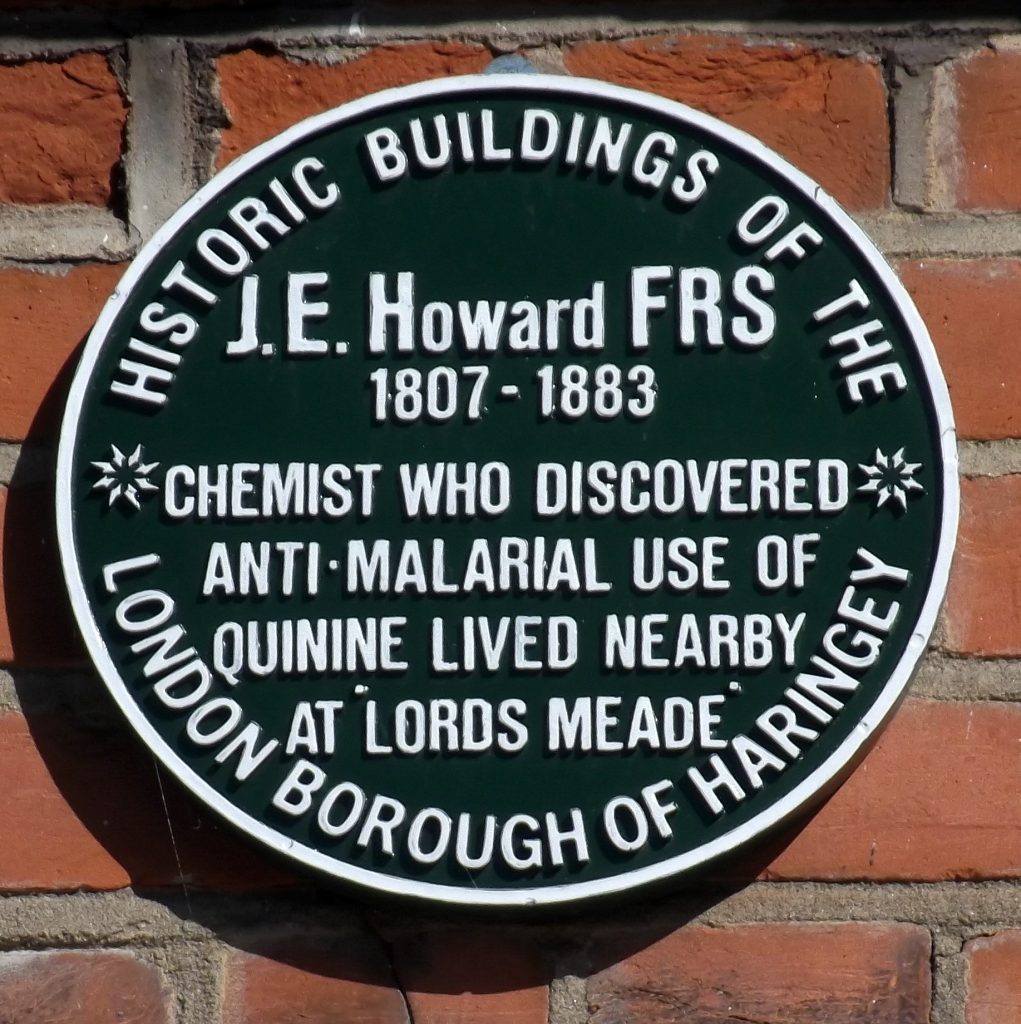
1, Lordsmead Road, N17
The Bitter Medicine that Built an Empire
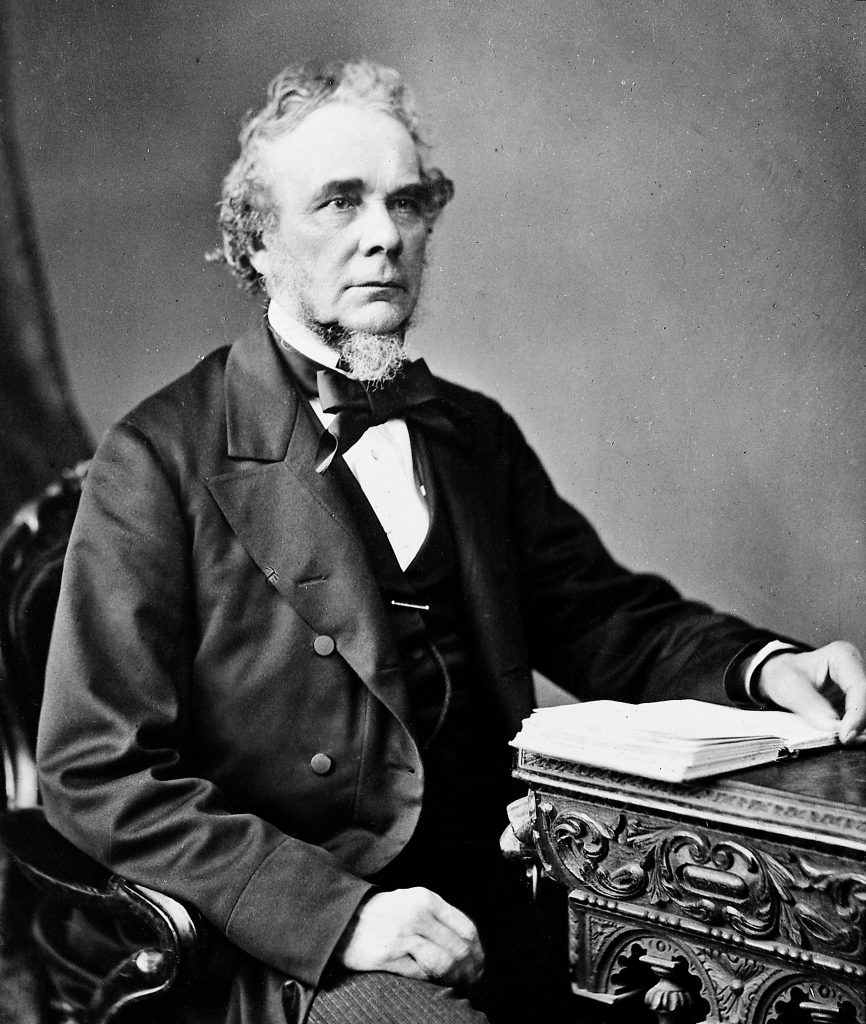
J.E. Howard was a British chemist whose work in isolating and refining quinine from cinchona bark greatly influenced both science and the British Empire.
J.E. Howard was a dedicated scientist with experience in the pharmaceutical industry, as his father started the firm Howard and Sons. His research was crucial in the fight against malaria, a disease that slowed European expansion in tropical regions during the 19th century. Howard’s work with quinine advanced pharmacology and had major geopolitical effects, especially for the British Empire.
Quinine comes from the bark of Cinchona trees, which grow in the South American Andes. Indigenous peoples used it to reduce fever. Europeans learned about its use for treating malaria in the 17th century. J.E. Howard developed reliable methods for growing the plant commercially and for isolating quinine in a pure, consistent form.
Malaria was often the biggest threat to Europeans in colonised regions, especially in Africa and India. Before quinine became widely used, European colonies experienced mortality rates of over 50% due to malaria. Without quinine, the “Scramble for Africa,” when European powers took over much of the continent, might not have succeeded. British troops, officials, and settlers could now live in places once considered too dangerous because of malaria. Quinine was essential for imperial expansion and control.
Winston Churchill once said, “The gin and tonic has saved more Englishmen’s lives, and minds, than all the doctors in the Empire.” The tonic water in this drink contained quinine, which was first added to prevent malaria. British colonists in India disliked the bitter taste, so they mixed it with gin, sugar, and lime. This made a tasty cocktail that also helped protect their health.
Howard’s scientific achievements were well recognised during his life. He became a Fellow of the Royal Society in 1874, and his careful research helped start the modern study of medicinal plants, known as pharmacognosy.
To honor his work in botany and chemistry, a plant genus called Howardia was named after him. This shows Howard’s importance in the study of plants with medicinal and economic value. It also highlights how, during the Victorian era, naming new species was a way to recognise scientists and supporters of the empire.
Howard’s life and work show how science, medicine, and imperialism were closely linked. His role in developing quinine changed global history by enabling European powers to enter and exploit malaria-affected, resource-rich regions.
Today, people enjoy gin and tonic as a casual drink, but it once meant survival for thousands of people in the British Empire. Thanks to Howard’s dedication and innovation, this bitter remedy improved the empire’s chances of success.