

St Ann’s Road, N15
A Woman of Letters and Ledgers
When Charlotte Riddell moved to Haringey, the area was mostly open fields, farms, and a few houses. The quiet countryside gave her a break from London’s busy business life, a theme that often appeared in her writing.
By that time, she was already well known in Victorian literary circles as both a prolific novelist and a pioneering female publisher. Between 1868 and 1873, she lived at St. John’s Lodge in Haringey, where she helped shape mid-Victorian literature with her stories about business, the supernatural, and her work as an editor.
Although some called her a ‘Gothic’ or ‘sensationalist’ writer, Riddell was one of the few Victorian novelists who focused on business and finance, topics often ignored in fiction. Her books offered a realistic view of London’s business world, the stock exchange, and financial struggles, reflecting the concerns of her time. Novels like Above Suspicion (1870) and Austin Friars (1871) looked at the conflict between morality and business, showing her strong grasp of the business world. Her skill in weaving financial details into interesting stories made her stand out among Victorian writers.
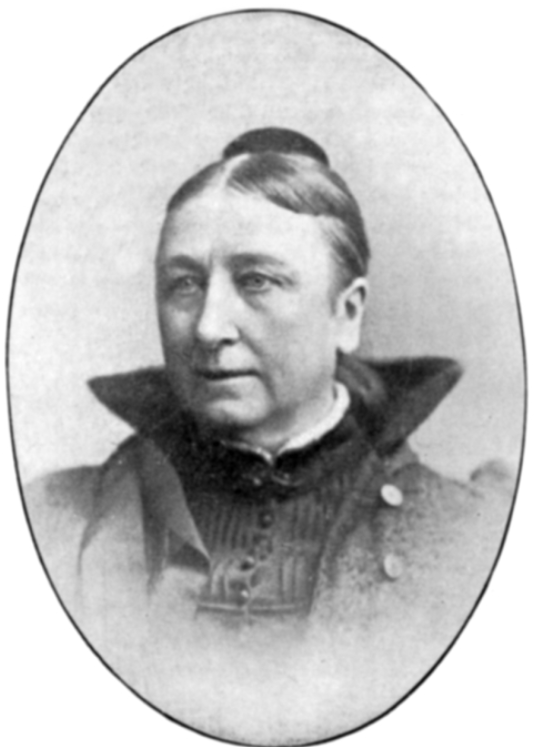
Her 1870 novel A Struggle for Fame is important because it partly tells her own story as a woman writer trying to succeed in publishing. The book shows the challenges women faced in getting noticed and earning a living in the industry. Riddell’s main characters often dealt with money problems and worked in a male-dominated world, which went against traditional roles for women. Some Victorian critics thought this was unfeminine, but her books still supported values like duty, morality, and hard work. While some readers liked her practical, hardworking women, others preferred more romantic or sentimental characters. Even with mixed opinions, Riddell’s careful but forward-thinking views on women helped shape how people talked about women’s roles in Victorian business and society.
In 1868, Riddell became the sole owner and editor of St. James’s Magazine, a rare and bold step for a woman in Victorian publishing. The magazine published fiction, reviews, and essays for a middle-class audience. With a circulation reaching several thousand copies, it became an influential voice in literary circles. It featured contributions from established and new writers, adding to the literary scene, shaping public taste, and strengthening her impact on Victorian literature.
Even though she faced financial difficulties, she kept the magazine going for 5 years, demonstrating great resilience and business acumen. During this period, she kept writing and publishing her stories, using the magazine to interest readers with both realistic and supernatural themes. She blended Gothic elements with everyday life in her writing, reflecting Victorian anxieties about the unknown.
Charlotte Riddell wrote more than fifty books. Today, her works are in the public domain and can be read for free on sites like Project Gutenberg (gutenberg.org), the Internet Archive (archive.org), Google Books (books.google.com), and Wikisource (en.wikisource.org).